I know what it’s like to stare into the dark. To reach out and touch it like hot bathwater with the tip of my toe…
I’m not crazy.
And neither are you.
To all those searching for answers,
If you or someone you love has suffered the debilitating, never-ending lows that mental illness can bring, I hope my story and the scientific information I share help you advocate for yourself or your loved one to get the care you deserve.
It took me half a lifetime to learn the genetic root of my persistent depression and anxiety, and I almost didn’t make it out alive from our mental healthcare system.
Truly effective mental healthcare is way too hard to come by.
During the worst year of my life, I saw over 20 different mental health professionals, was prescribed at least 15 different combinations of psychotropic medication, resided in six different psychiatric facilities in five different states, and underwent two rounds of ECT.
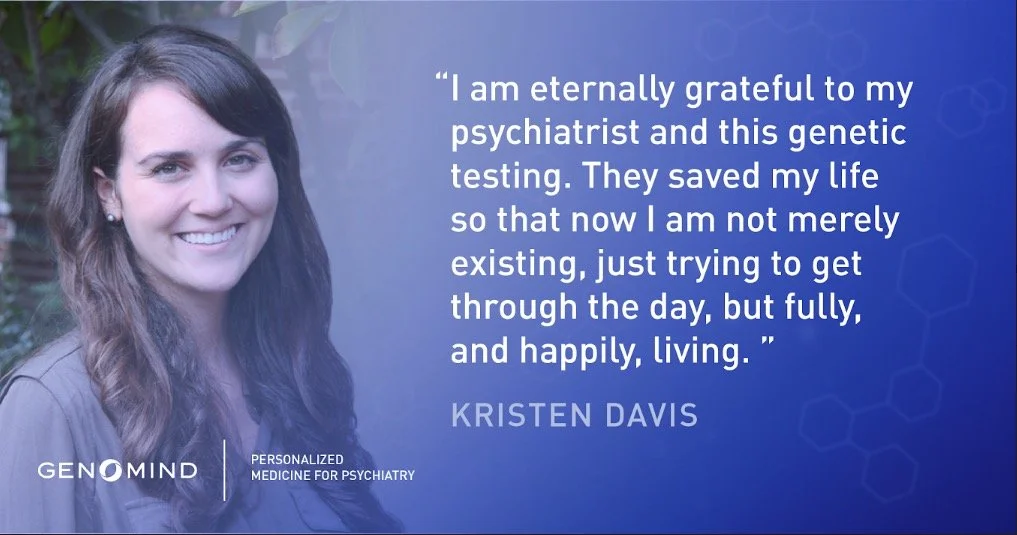
By some miracle, I ended up in the care of a compassionate psychiatrist who used pharmacogenetic testing (PGx) to inform me of what I’d suspected all along—that something inside me made it harder for me to be as happy and stable as other people.
I wasn’t crazy. It wasn’t my fault. The fault had been in my DNA the whole time.
Then my incredible psychiatrist used my genetic report to prescribe me the precise psych meds and natural supplements I needed to heal and eventually, flourish.
I want that for you, too.
With love and hugs,

We advocate for people.
Who happen to struggle with mental illness.
The I’m Not Crazy Project is a patient-advocacy-focused organization dedicated to helping people navigate the mental health care system and find effective care. We believe that pharmacogenetic testing (PGx) in mental healthcare can provide people with the foundation to understand and treat their illness.
Founded by a former depressed person and reporter who is now a neuro-rehab expert, we are guided by lived experience, science, clinical expertise, journalistic integrity, and, most of all, compassion.
Kristen’s family didn’t know where to turn when she had her crisis, so she works to provide other individuals and families with the information that would have helped her.
From mothers whose sons have been admitted to psych wards to people struggling with addiction to students whose plans were derailed by depression, she has personally counseled people on navigating the mental healthcare system and locating genetic testing services by phone, email, text, DM, video chat, and over coffee.
She seeks to answer anyone who reaches out to her.
Where We've Been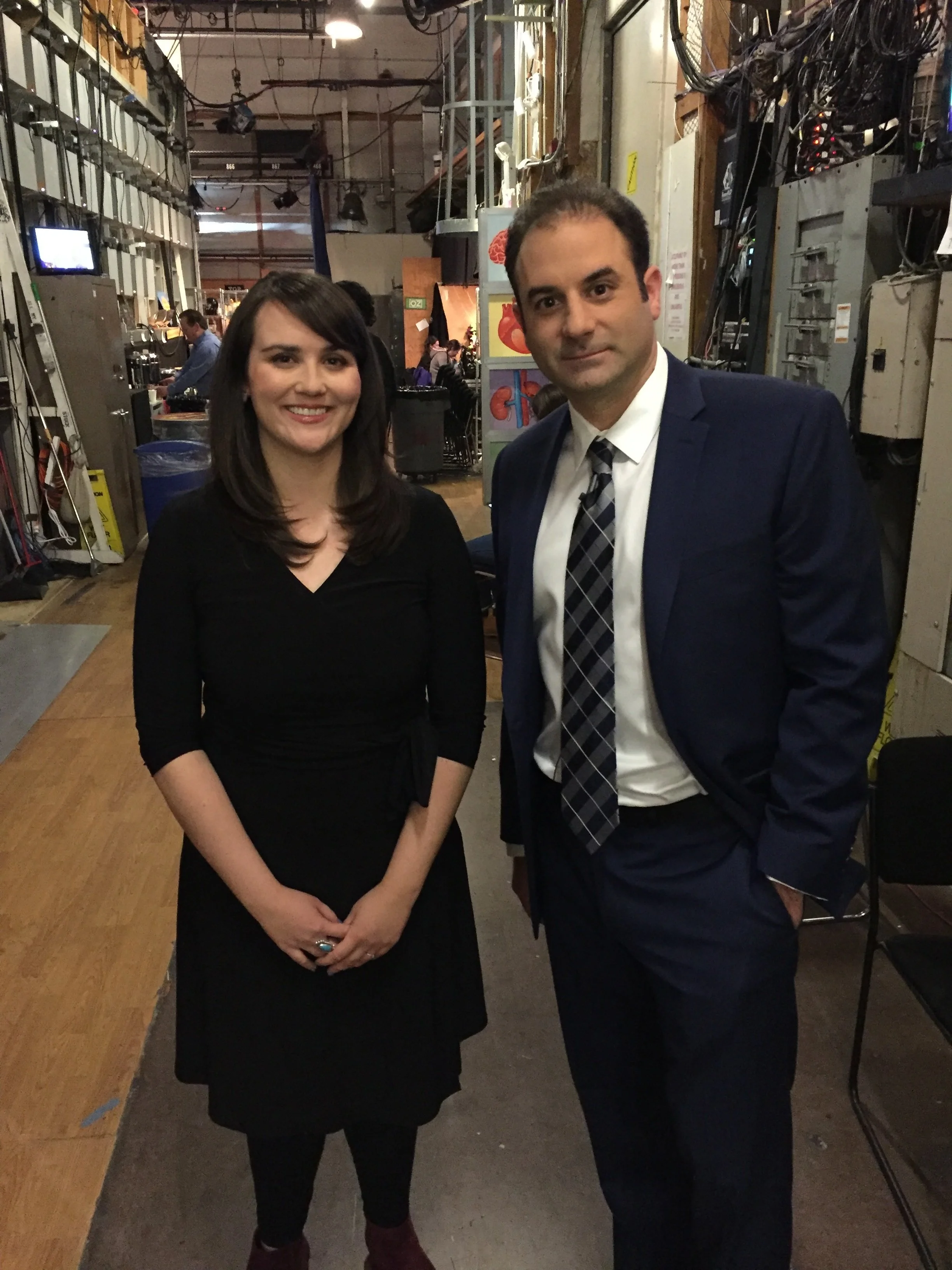
Kristen backstage at the Dr. Oz Show with Dr. Dan Dowd of Genomind.
We’ve reached millions of people with Kristen’s story.
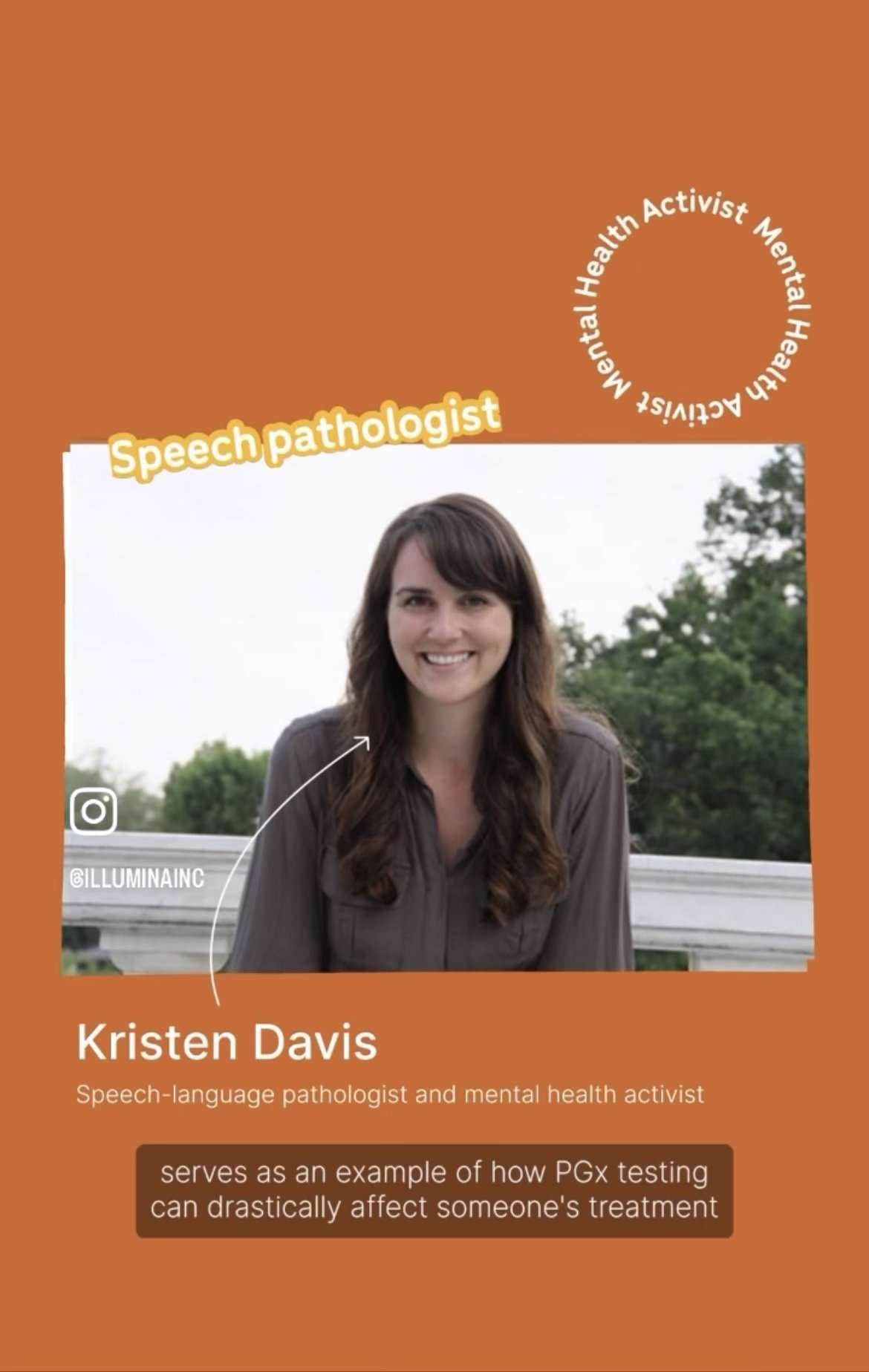
She has appeared on the Dr. Oz Show and spoken at conferences such as NAMI and FutureMedTech. Her story has been featured on podcasts such as PGx for Pharmacists, in social media campaigns for biotech companies Genomind and Illumina, and in publications such as The Hill.
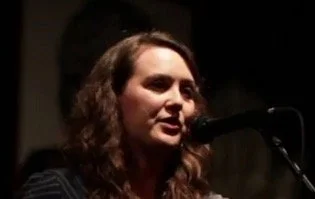
Kristen has written for Huff Post, Writer’s Digest, and PsychCentral. She has performed spoken word poetry in D.C. and L.A.
After she appeared on the Dr. Oz Show in 2018, she received an outpouring of messages from people all over the world, telling their own stories and asking for guidance.
Then she founded the INCP in partnership with Creative Visions Foundation in 2019, just before the pandemic, when the whole world seemed crazy.
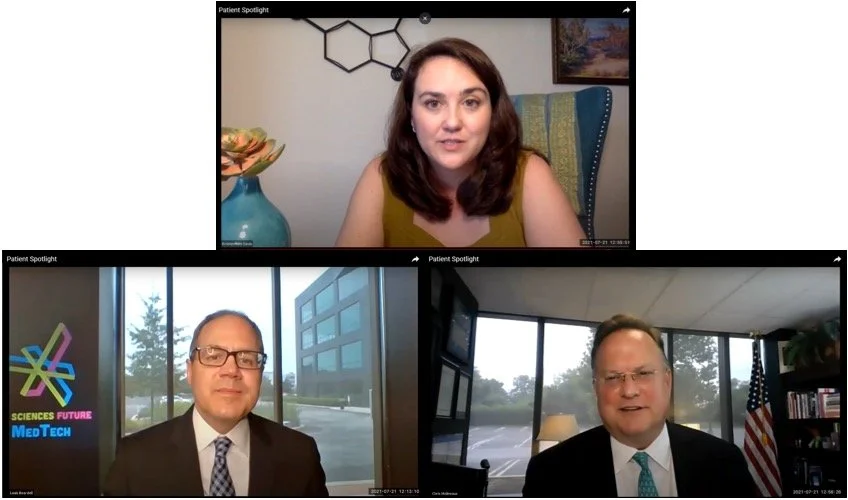
Life Sciences Future MedTech Conference keynote patient speaker in 2021
A Brief History of Kristen
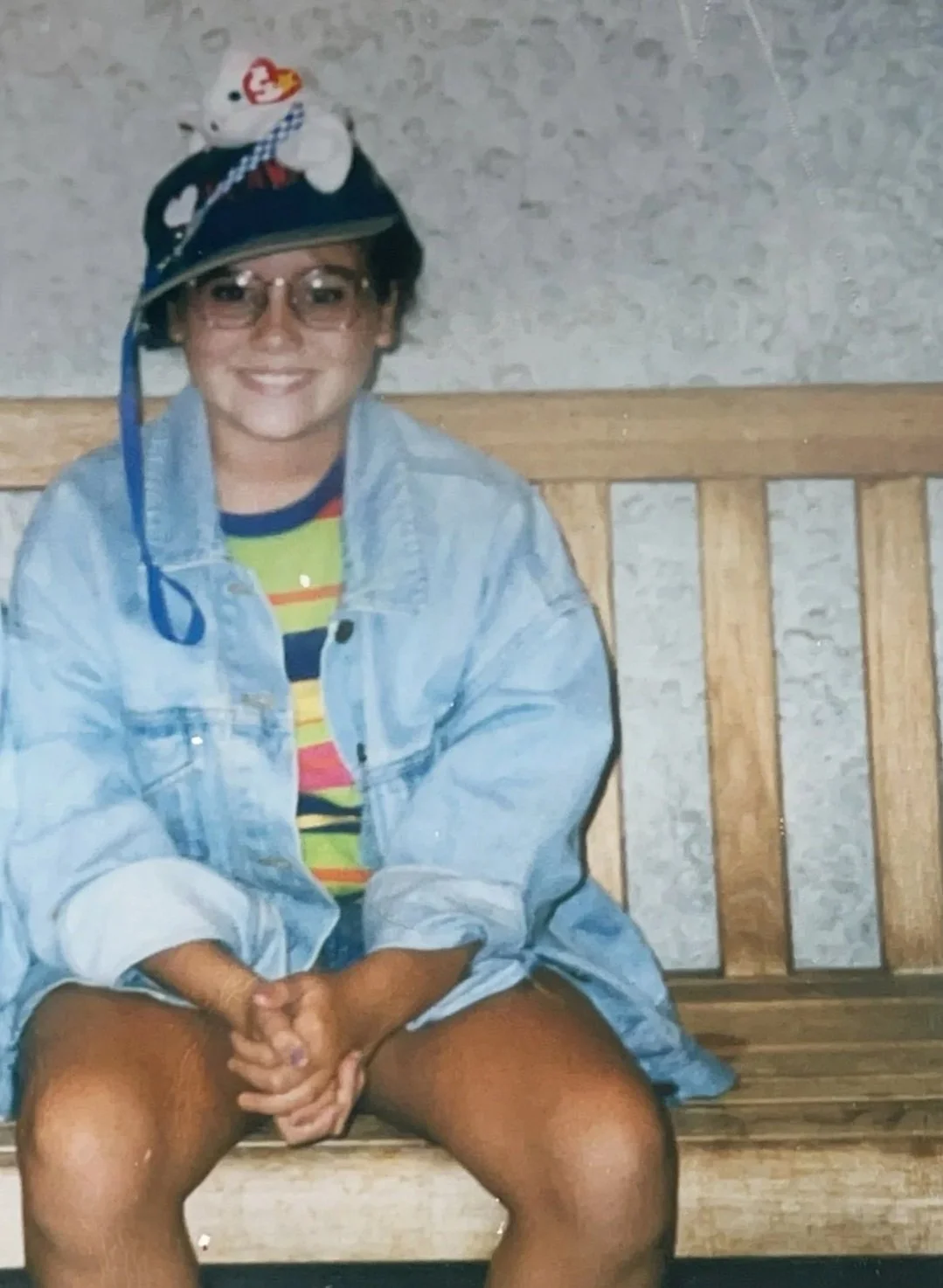
The oldest of three kids, I grew up in St. Petersburg, Florida in a loving family.
Like many millennial girls, I became obsessed with Beanie Babies, ate sugary breakfast cereal, and idolized the flat stomachs of American Eagle models.
My parents supported me. I was well aware of my privileged upbringing, but I began to have suicidal ideations in high school. I never mentioned them to anyone. I was too focused on getting into college.
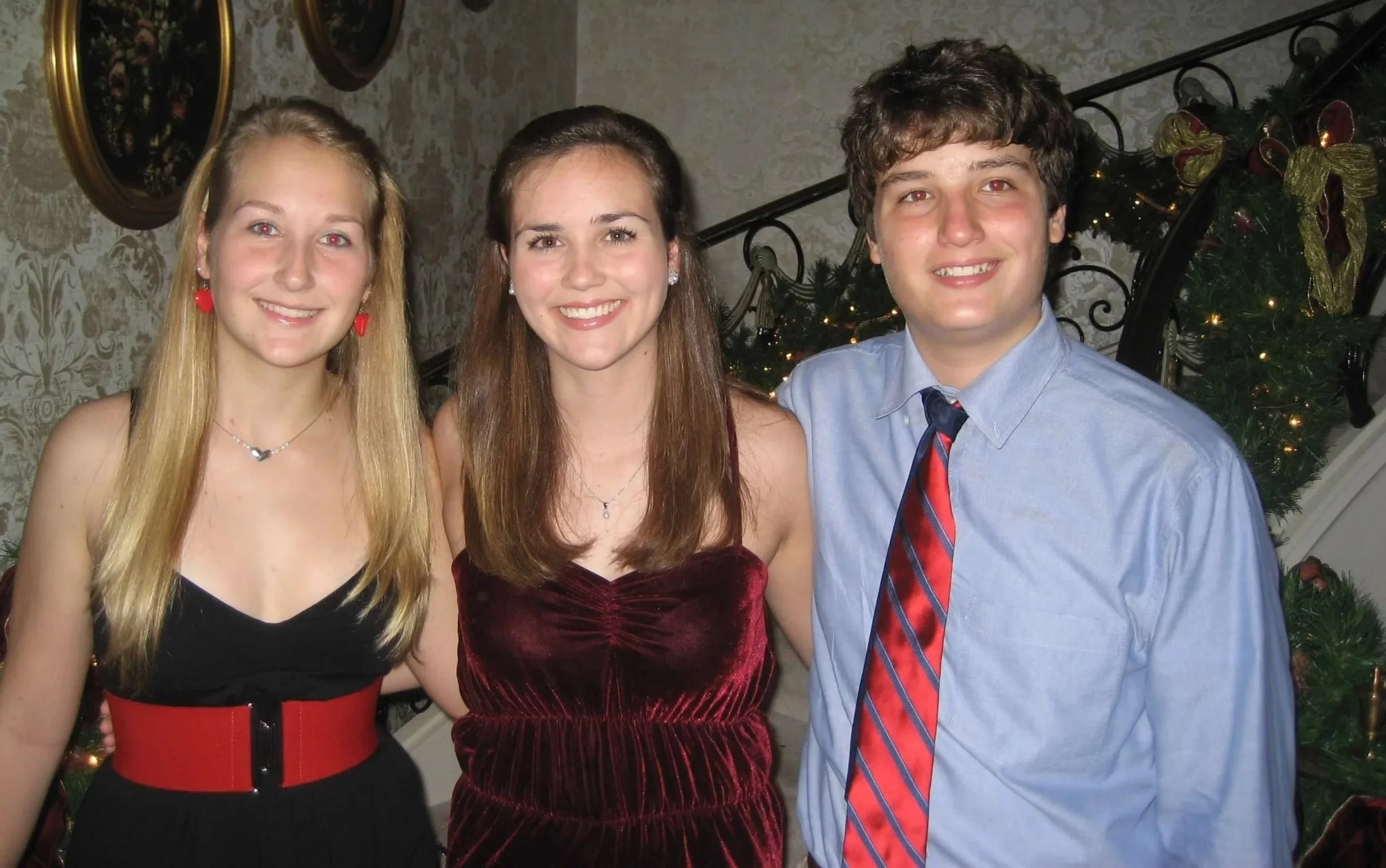
In December of 2005, I realized that my mental experience matched the description of Major Depressive Disorder in my AP Psychology textbook. I’d gotten into Duke University, which was my dream school, but all I could imagine was a dark path that led nowhere.
I tried to tell my parents what was wrong, but I felt shut down by the conversation, feeling too ashamed and scared to see a mental health professional.
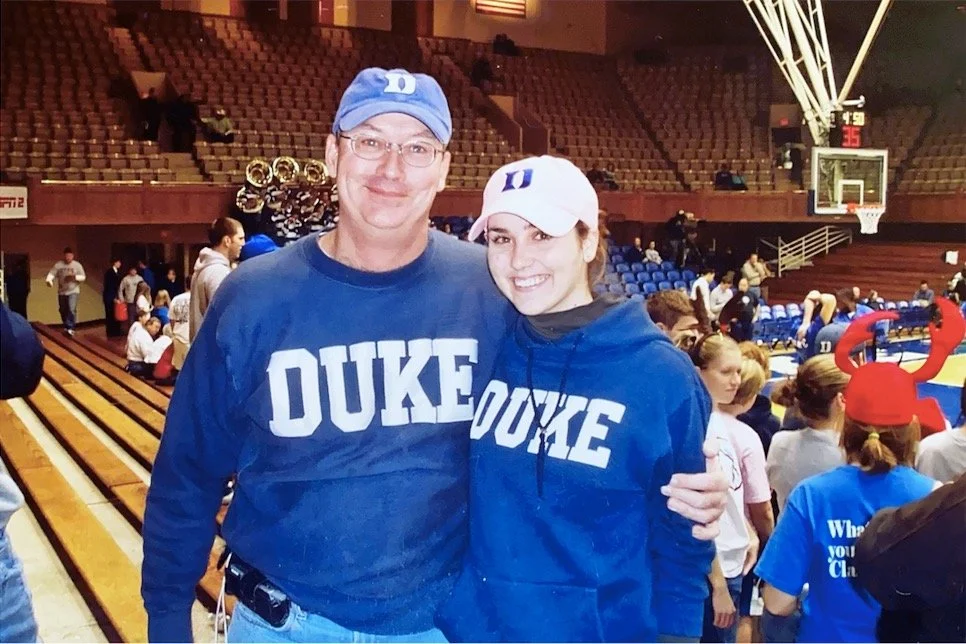
I started college in 2006, hoping that a change of scenery would make the depression go away.
I thrived for the first two years of college, studying English literature, joining a sorority, and writing for the daily student newspaper. Then I hit my breaking point during my junior year. I saw a psychiatrist for the first time and began taking an antidepressant.
In 2010, I graduated from Duke with a major in English, high distinction in creative writing, and a minor in Women’s Studies. While remaining on the antidepressant, I was stable for five years, working as a teacher and writing for local publications in North Carolina and Florida.
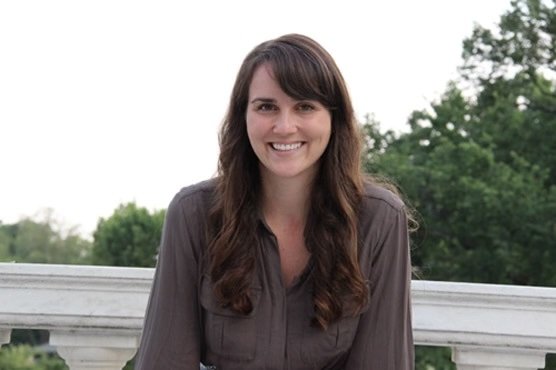
By 2013, I yearned for a new challenge and moved to Washington, D.C., where I started a master’s in journalism at American University. When I landed an investigative reporting fellowship with the Washington Post, I felt that my life was precisely where I wanted it to be.
But I made a fateful decision. I called up my psychiatrist and told him I wanted to get off the antidepressant. He gave me a schedule to taper off of it, and I followed it exactly.
As the journalism program and the WaPo fellowship became more stressful, my mental health spiraled. Thankfully, my best friend and roommate called 911, and I spent my first humiliating yet necessary involuntary 72-hour hold in a psych unit.
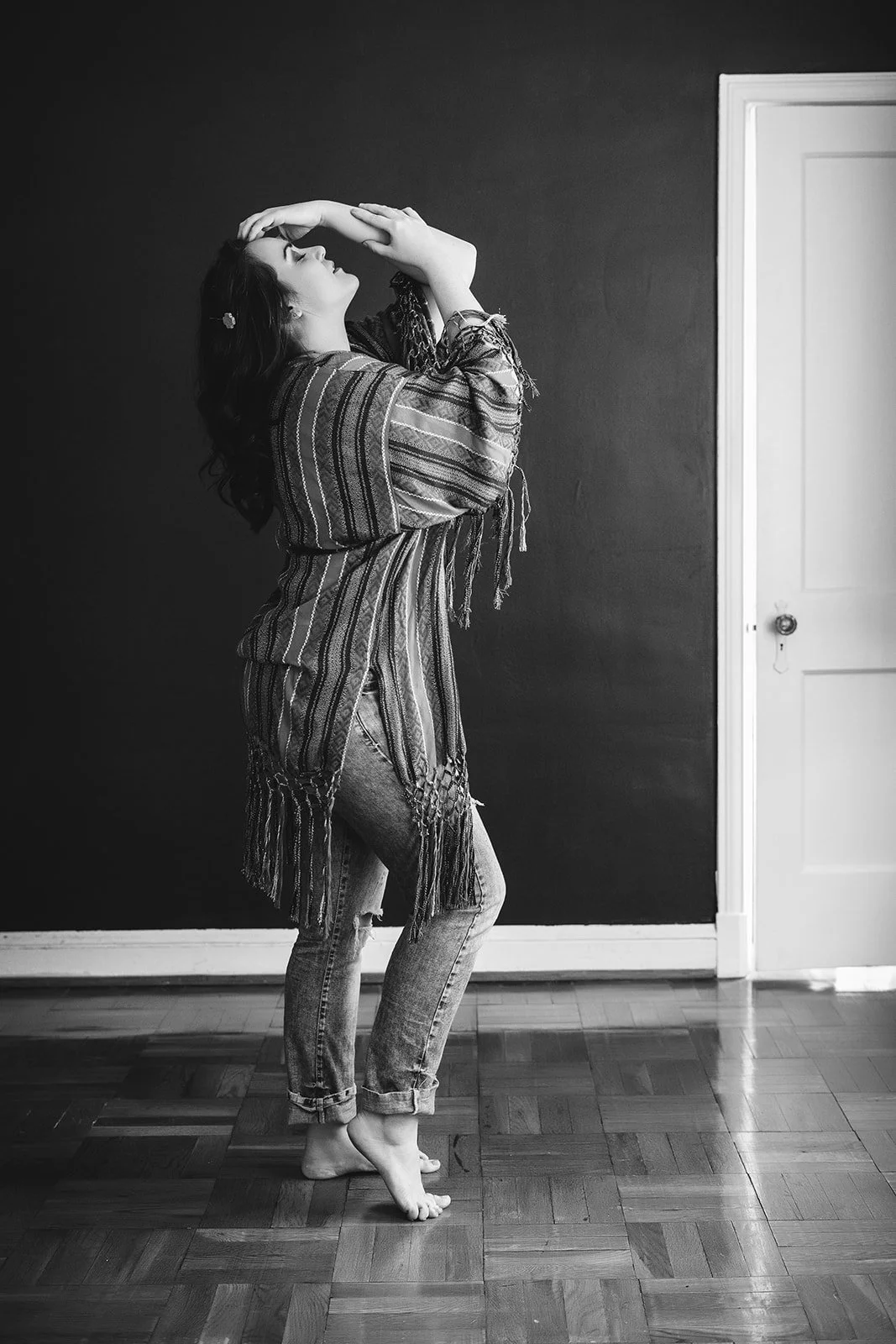
Throughout the next nine months, my family and I fought for my life in the mental healthcare system. I bounced from institution to institution and provider to provider without any real answers or solutions—until I landed in the care of an amazingly compassionate and progressive psychiatrist who believed in treating me as a whole person and a unique individual.
He used genetic testing to reveal the truth of my condition. Using my genetic report, he explained that I have an endogenous (meaning “originating in the body”) biochemical depression caused by the intersection of several faulty genes. I have a variant of the MTHFR gene, which allows my brain to produce only 60% of the serotonin that a healthy brain has.
He explained why I never responded to SSRIs, even though I’d been prescribed several of them by other providers. Then he put me on the medication and supplements that gave me my sanity and allowed me to rebuild my life.
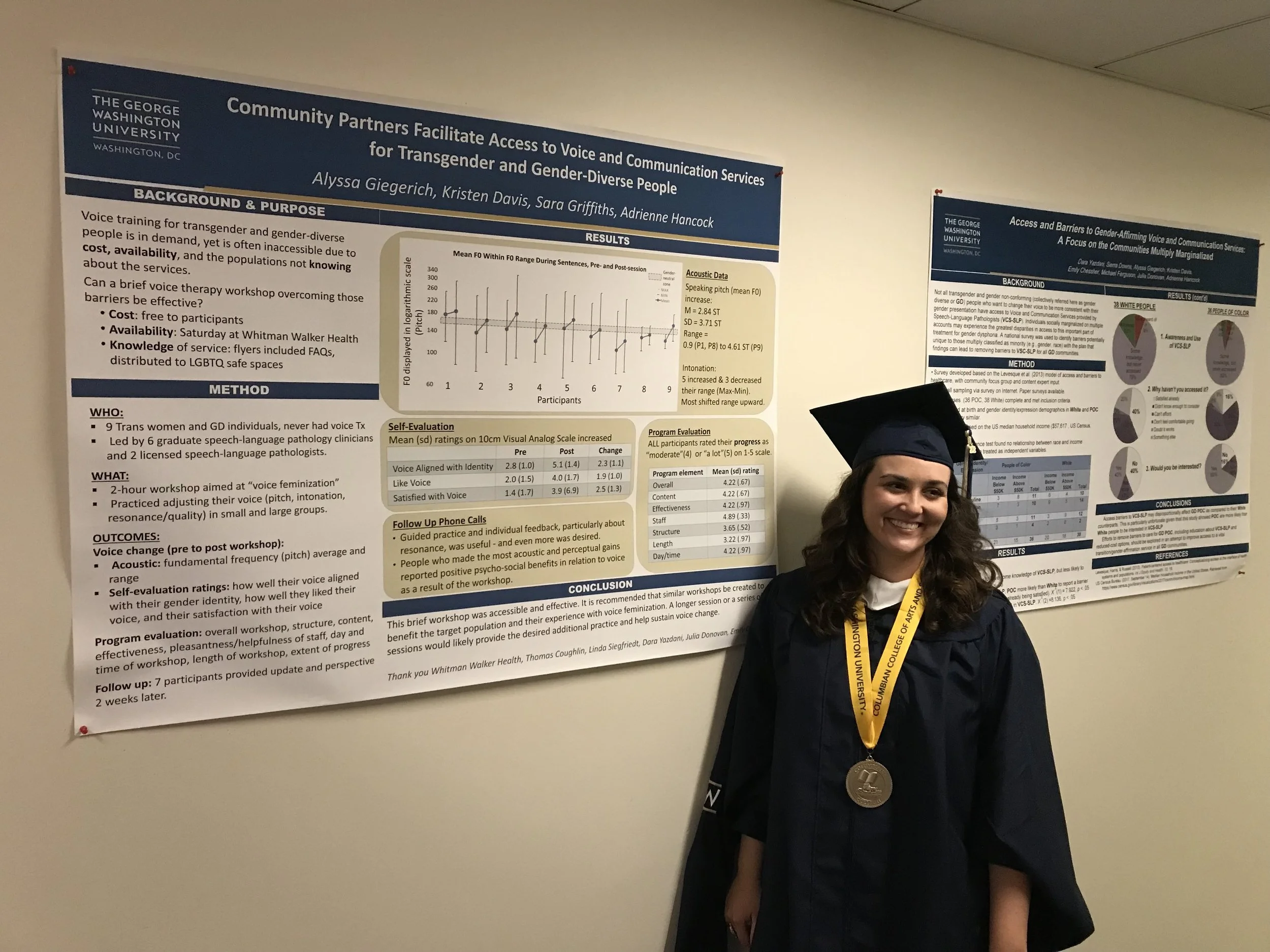
Instead of going back to school for journalism, I decided to try speech-language pathology, so I could learn more about the brain, driven by a desire to help others in need of self-expression and healing from a brain catastrophe.
In 2018, I graduated with my master’s from George Washington University, just in time to enter the job market as the pandemic started.
As a frontline healthcare worker in skilled nursing facilities, I would have completely lost my shit if I hadn’t been on the right medication and developed the supportive relationships that my balanced brain chemicals allowed me to have.
Now I’ve been practicing as an SLP for almost ten years, and I love my job. I’m a Certified Brain Injury Specialist and work with patients recovering from strokes, traumatic brain injuries, and other neurological diseases, such as Parkinson’s.
I’m grateful every day for the empathy I gained during my mental health crisis that informs my clinical practice and my public advocacy.